


Ministering locally and worldwide

Faith Community Lutheran Church – Longmont, Colorado
Reshaping Our Heart for Missions
When I look back at the last few years at Faith Community Lutheran Church (FCLC), one of the most unexpected gifts has been how God used a season of organizational transition to reshape our heart for global and local missions. What began as a simple internal review of our processes turned into a complete overhaul of how we give, how we partner, and how we discern where God is calling us to invest. And the fruit of that work has been more than administrative. It has brought clarity, unity, purpose, and a renewed burden for the world.
I think many churches often feel the need to review or rebuild their mission strategy, but those conversations are easy to delay. Trust me, they can feel overwhelming, or they get squeezed out by more urgent ministry demands. But in our case, the review became unavoidable. We realized that if we wanted to be faithful stewards, and if we wanted our congregation to see missions not as a budget line but as a calling, we needed to make some changes.
This is the story of why we restructured, what we changed, and the surprising results we’ve seen this past year.
Restructuring
For many years, Faith Community had been blessed with a generous missions culture. The church always tithed from its budget, supported global workers, and engaged in local outreach. But over time, our model had grown organically rather than intentionally. As staff transitioned and new opportunities emerged, the gaps became clearer. Our giving patterns were generous but not strategic. We were supporting many good ministries, but not all of them were aligned with our long-term vision. Some partnerships had become “legacy relationships” that hadn’t been evaluated in years, while others were highly relational but fueled more by friendships than by calling.
At the same time, congregational involvement was low. People cared about missions, but they weren’t engaged with mission partners or stories; giving was happening quietly in the background, not celebrated or understood. And new global opportunities were emerging, with deep relationships forming in places like Ecuador, Haiti, Colombia, Uganda, and Southern Asia. We needed a structure that could support real partnership, not just writing checks.

Lucas with a “compassion kid” he sponsors from FCLC’s compassion church plant in Ecuador.
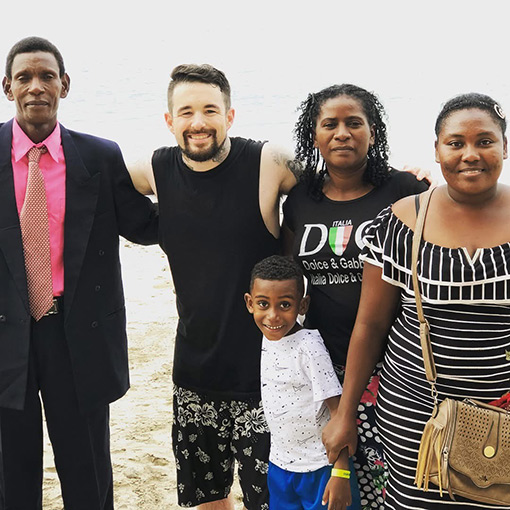
Lucas with his “compassion kid” his family, and the pastor of the church plant.

Our mission group in Haiti.
One of our main core values as a church has been to be a First Fruits giving congregation. This was more than a branding exercise. Naming it First Fruits helped shift our mindset from “obligation” to “joy,” giving us a simple, memorable, and biblical way to talk about missions in everyday congregational life.
Over 25 years ago, our congregation made a simple but bold decision: we would start by giving 10% of our income to missions. It was a beginning, a declaration of who we wanted to be. Over the years, that commitment didn’t shrink… it grew. We stretched to 20%. Then in 2021, we took another faithful step and increased our giving to 21%. And last year, in 2025, we took the biggest step yet ‒ we committed to give 25% of every dollar to mission partners locally and globally.
And here’s the amazing thing: as our First Fruits giving increased, our general giving also grew! The congregation, especially younger members, loves being part of a church that isn’t trying to keep everything for itself.
Building a Clearer Application and Review Process
In the past couple of years, we built a clearer application and review process. This included an updated missions application form; defined criteria for support; an annual review of all partners; a Missions Team made up of staff, board members, and lay leaders; and clear expectations for reporting, storytelling, and congregational engagement.
We also reorganized our partnerships around three pillars:
- Evangelism and Church Planting,
- Leadership Development and Training, and
- Mercy and Compassion Ministries.
These pillars gave us theological clarity and helped prevent mission drift. Finally, we increased congregational involvement by commissioning mission teams in worship, inviting partners to speak in our worship services, highlighting stories monthly, sharing updates during sermons and events, and providing hands-on opportunities for individuals and families. Our congregation now knows not only that we give, but to whom and why.
Encouraging Outcomes
One of the most encouraging outcomes has been a measurable increase in giving and generosity. When people see generosity on display ‒ real, bold, sacrificial generosity ‒ it multiplies. We’ve seen new families begin giving, long-time members increase their support, and young adults give for the first time. We’ve also seen a deeper awareness of the global church.
Another outcome has been a reawakening of our calling to send. People are beginning to discern calls to missions, seminary, and cross-cultural ministry. Two of our own are now seminary students preparing for long-term ministry, which is a development we couldn’t have predicted even a year ago.
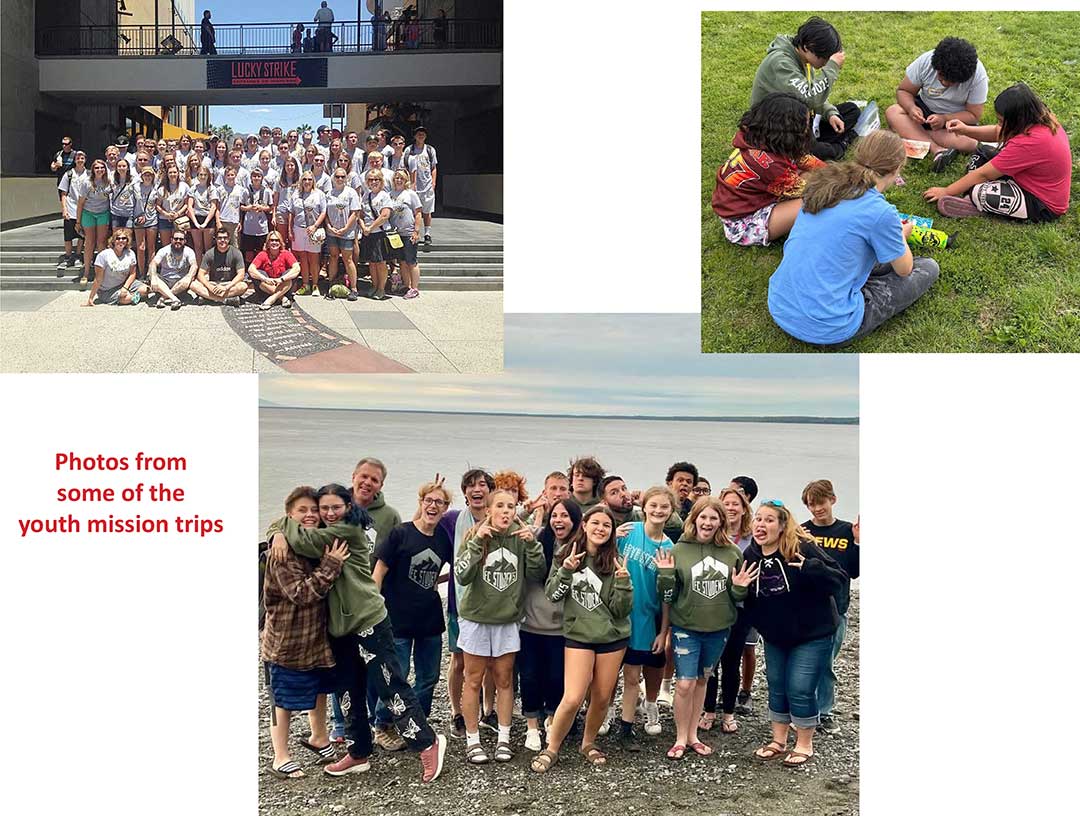
We’ve also stepped into new forms of sending right here at home. Members and staff have launched a jail ministry that leads Bible studies inside the jail and then provides meals, community, and continued discipleship once individuals are released.

FCLC members volunteering as police chaplains.
In addition, we have brought on a missionary resident who not only serves within our church but also coaches and supports youth pastors across the country, extending the impact far beyond our walls.
Our digital front door has become another unexpected mission field; we invested significantly in our online service and website, and both have become primary entry points for new members and even non-Christians who are hearing the Gospel for the first time.
We have also invested heavily in local outreach events, such as our annual Christmas festival, our summer carnival, and several other community gatherings that have welcomed and reached hundreds of people across Longmont. Our partnerships, too, have grown stronger, not just more numerous. Instead of scattering small gifts everywhere, we’ve focused on fewer, deeper relationships: supporting pastors in the global south, helping train leaders, investing in sustainable projects, and planning to send mission teams year after year.
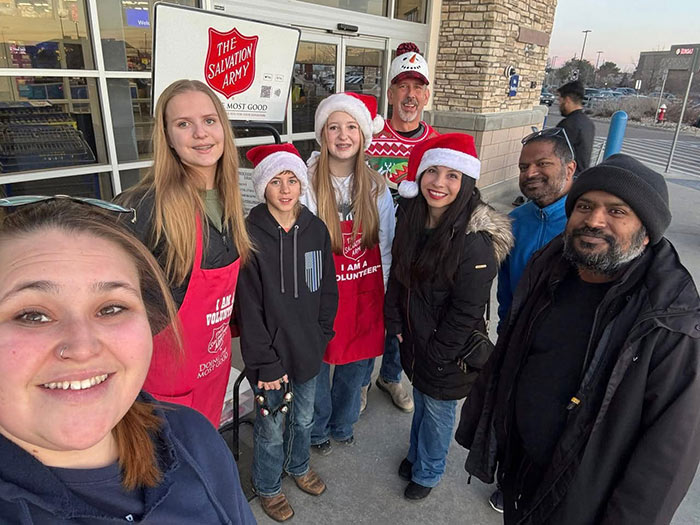
Salvation Army outreach

FCLC member giving gifts at Christmas Festival

Christmas Festival community gathering

Finally, this restructuring has brought greater unity in our leadership. It forced us into meaningful conversations about vision, priorities, theology, and stewardship, and the result has been a Board and staff more aligned than ever around the belief that mission and evangelism are central…not peripheral to the life of the church.
Could Your Church Benefit from Reshaping Your Missions Framework?
I could offer encouragement to other congregations, it would be this: don’t be afraid to look honestly at your missions framework. Even faithful churches need fresh structure for new seasons. Don’t assume that reviewing your missions process will dampen generosity; in our case, it released it. And don’t underestimate how much your congregation wants to be part of something bigger. People long to see God working beyond their own walls, and they want to play a part in that story. The local congregation is most alive when it participates in the global mission of God and making sure the Gospel proclamation reaches people all over the world and in our own communities. When we give our first fruits joyfully, boldly, intentionally, I believe God multiplies the harvest in ways none of us can predict.
Looking back, restructuring missions wasn’t just an administrative project. It was a spiritual one. It re-oriented our imagination. It clarified our convictions. It awakened generosity. And it helped our congregation see anew that the God who blesses us is the same God who calls us to bless others. My hope is that our story might give encouragement or even a gentle nudge to other churches wondering where to begin. Sometimes renewal starts in the most practical places, but it ends up transforming the heart.







Trackbacks/Pingbacks