

A Shared Vision for Global Partnership in Christ
For generations, the global Church has approached missions with sincere compassion, deep generosity, and a commitment to obey Christ’s command to “go and make disciples of all nations” (Matthew 28:19). This commitment reflects a genuine longing to share the Gospel with unreached people around the world. However, in our desire to make a difference, we can sometimes lose sight of the truth that mission is a partnership in Christ, one that is relational, not transactional.
At Spiritual Orphans Network (SON), our mission is centered on reaching the spiritually orphaned ‒ men, women, and children who do not yet know they have a Father in heaven, brothers and sisters in Christ, or an identity as a beloved child of God. Because we proclaim a Gospel of adoption into God’s family, we want our relationships within the Church to reflect that same family reality. When our approach to global mission inadvertently positions fellow believers as dependents rather than as partners, we risk reflecting something other than the message of adoption, belonging, and shared inheritance that lies at the heart of the Gospel.
The invitation before us is to lean more fully into partnership.
Walking Together in Partnership
If partnership is more than a concept, then it must shape how we listen, decide, give, and walk together in mission. Partnership begins not with strategy, but with posture, an intentional choice to approach one another with humility, curiosity, and trust in the Holy Spirit’s work beyond our own experience.
Scripture offers a gentle reminder that everything we bring to mission is received, not earned. As Paul asks the church in Corinth, “What do you have that you did not receive?” (1 Corinthians 4:7). Resources, education, and access are gifts entrusted to us, and when we hold them with open hands, they can serve God’s work under His authority, allowing us to walk together in shared obedience.

SON Latvian and Ukrainian Ministry Partners
Partnership Takes Time

American and Albanian brothers
When partnership moves from intention to practice, decision-making changes. Direction is no longer set by one side and carried out by another; it is shaped together. This requires time and trust, but it also leads to ministries that are better grounded in local realities and more likely to last.
It means slowing down enough to discern God’s direction together.
Where Partnership Leads
When partnership is practiced over time, it reshapes how mission is done and how the Church understands itself. Mission becomes less about managing effort and more about recognizing where God is already at work and joining Him together. The result is a shared movement, with many parts responding faithfully in their own contexts.
Partnership strengthens the Church’s witness. Jesus prayed that His followers would be one “so that the world may believe” (John 17:21).
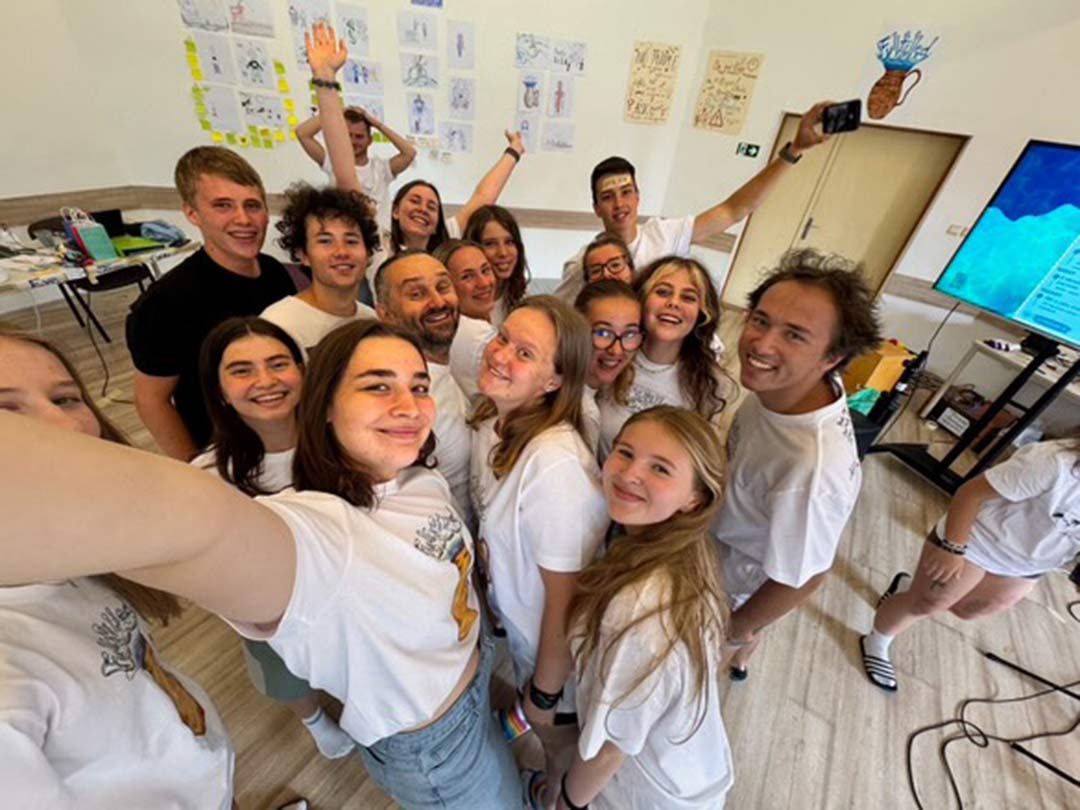
Slovaks, Germans, Americans and Latvians sharing in the Gospel
A Way Forward Together
The future of global mission will be shaped by whether or not the Church is willing to walk together in shared obedience to God.
As Paul reminds us, “We are co-workers in God’s service” (1 Corinthians 3:9). When this truth shapes how mission is practiced, the Church more clearly reflects the family it proclaims ‒ and more of the spiritually orphaned are welcomed into the belonging they were created to know.