

Introduction: Persistent Prayer and Global Missionary Fruit
“Pray earnestly to the Lord of the harvest to send out laborers into His harvest.”
— Luke 10:2, NIV
This biblical invitation has echoed through the centuries—often most powerfully in small, oft-unseen rooms of intercessory prayer. A striking historical example comes from early 18th-century Herrnhut, where a small community committed itself not merely to occasional prayer, but to round-the-clock, hour-by-hour intercession. Though modest in numbers, that community saw mission fruit of surprising magnitude: by 1791 (just 65 years later), the Moravians had sent 300 missionaries from Herrnhut to distant lands.
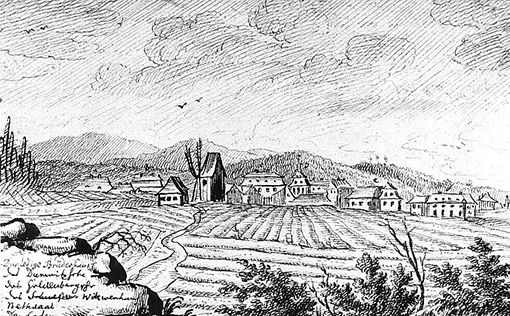
Herrnhut, 1765. (Gūnter Rapp, Public domain via Wikimedia Commons.)
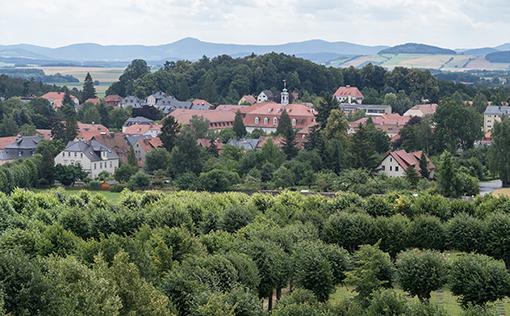
View of Herrnhut with Zittau Mountains. (https://commons.wikimedia.org/w/index.php?curid=94233244)
We live in an era when many churches struggle for consistent prayer, or don’t even know it should be a ministry of the church, and when mission can feel more like a program than a passion. The history of persistent intercessory prayer offers crucial lessons: foundations, momentum, discipline, and Kingdom fruit. To steward global mission with integrity, we must recover this foundational practice.
Biblical Foundations for Persistent Prayer
Scripture links mission and prayer intimately. Jesus’ teaching the parable of the persistent widow (Luke 18:1-8, NIV) urges God’s people to “always pray and not lose heart,” implying long-term, consistent effort. In Paul’s ministry, he frequently asked for prayer support (Colossians 4:2, Ephesians 6:18, NIV) and modeled prayerful dependence as foundational for missionary outreach.
Beyond the New Testament, the Psalms reflect continual devotion (Psalm 119:62, NIV) and intercessory life. These texts do more than inspire; they form a theological foundation for believing that the practice of prayer is not merely a prelude to mission but its engine. Lutheran tradition especially affirms that while God works through Word and Sacraments, He also invites and uses the prayers of His people to advance His kingdom.
Case Study: The Moravians at Herrnhut
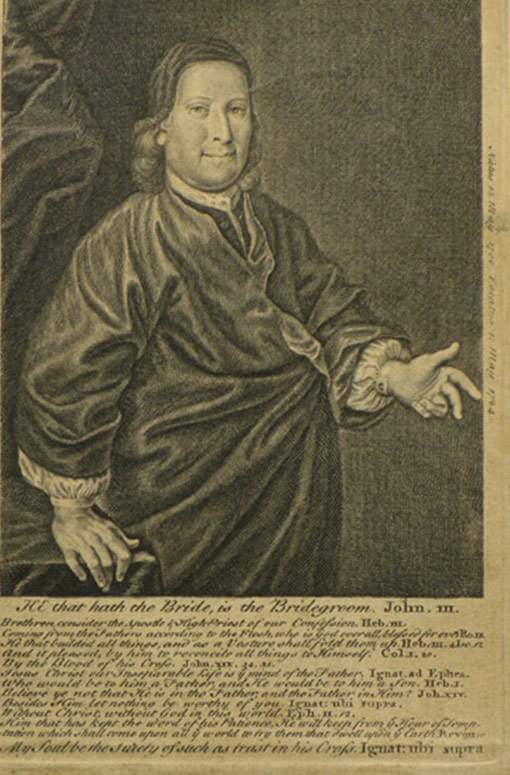
Count Zinzendorf. (Public domain via Wikimedia Commons.)

Map of Germany showing location of Herrnhut. (Original outline map by NordNordWest, Lizenz: Creative Commons by-sa-3.0 de.)
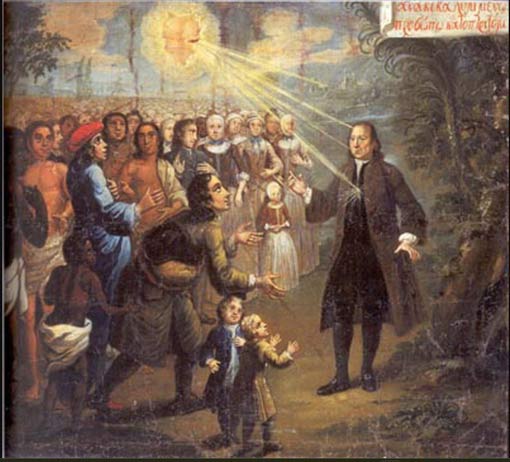
Zinzendorf preaching to Moravians, circa 1747. (Public domain, by Johann Valentin Haidt.)
Missionary Fruit
By 1791, just 65 years after the prayer watch began, the Moravian community at Herrnhut had sent approximately 300 missionaries to the ends of the earth. These servants of the Gospel served in the West Indies, Greenland, Turkey, Lapland, among Native American communities in North America, and in other distant regions. Their witness was marked by compassion, resilience, and deep reliance on God’s leading.
Strengths and Challenges in the Practice
The Herrnhut prayer meeting was a communal and shared responsibility; it was not left to a few but spread across the community. Though some later accounts exaggerate the ‘perfect’ record of unbroken prayer, the core historical record supports the broad pattern: a disciplined, shared rhythm of prayer that helped shape mission vision and action.
Additional Examples
Mount Carmel and the World Mission Prayer League
Another vivid example in Lutheran mission history comes from the early 20th century. Student prayer groups at Lutheran Bible institutes in Minneapolis, Seattle, and California during the 1930s engaged in disciplined prayer for the unreached world. These groups were exposed to missionary surveys and testimonies that fueled their passion not just to pray but to go.
From these beginnings, the World Mission Prayer League (WMPL) emerged: a mission movement forged out of prayer, exposure to global need, and community discernment. The WMPL’s emphasis—“pray and to go”—made intercession and mission inseparable.
Broader Historical Patterns
Beyond these two cases, many mission societies in the 19th and 20th centuries relied heavily on prayer networks, corporate intercession, and pastoral encouragement as foundations for sending workers abroad. Wherever sustained prayer took root—through classes, prayer meetings, or dedicated gatherings—missionary sending and fruit tended to follow.
Mechanics of Persistent Prayer
From historical and contemporary examples, several common “ingredients” emerge:
- Structure and Scheduling:Defining times, developing prayer rosters, and sharing responsibility help sustain long-term prayer rhythms.
- Leadership and Culture:Leaders who value prayer shape a community’s spiritual priorities. Hymns, Scripture reading, and devotional practices reinforce commitment.
- Accountability and Vision:Sharing mission stories, testimonies, and outcomes encourages perseverance.
- Sustainability Practices:Rotating schedules, recognizing weariness, and mutual support help maintain continuity without burnout.
- Theological Convictions:Belief in God’s hearing, belief that prayer matters, and belief that mission is God’s work all motivate sustained intercession.
Application for Churches Today
Given this history, what might churches today do to foster persistent prayer that bears Kingdom fruit?
- Integrate Mission Prayer into Worship and Congregational Life:Include recurring times in services to pray specifically for unreached peoples, missionaries, and mission contexts.
- Form Intercessory Teams:Whether weekly, monthly, or in an around-the-clock cadence, teams give shape to ongoing prayer support. For some church traditions, Lent is an excellent time to experiment and expand the persistence muscle of prayer ministries.
- Expose People to Mission Stories and Needs:Hearing how prayer shaped missionaries’ journeys fuels faith and praying hearts.
- Create Discernment Pathways:Support those who sense God’s call to cross-cultural service with mentorship, education, and community.
- Maintain Reporting Integrity:Document and communicate prayer outcomes with clarity and truth. Avoid overstatement; celebrate faithful partnerships with honesty.
Conclusion and Call to Action
History shows us that persistent prayer is not optional—it is often the unseen root beneath visible mission harvests. From the Moravians’ hourly intercession at Herrnhut that fueled hundreds of missionaries, to Lutheran prayer groups that became mission movements, consistent prayer has borne missionary fruit across centuries.
So here’s the challenge: what part will your church play?
Whether it’s setting aside regular times to pray for unreached peoples, forming dedicated prayer teams, or mobilizing laity into mission service, let us not settle for occasional prayer when the world’s fields are vast and waiting. If the Lord is calling laborers, let us accompany that call with persistent prayer—and trust that, in God’s timing, He will send them.